Jul 16, 2020 | Barossa Valley, Cellar Door, Fortified Wine, Home Barrel Advice, News and Views, Personalised Tastings, Taste Notes, Wines
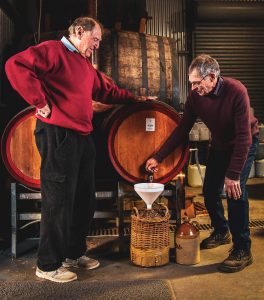
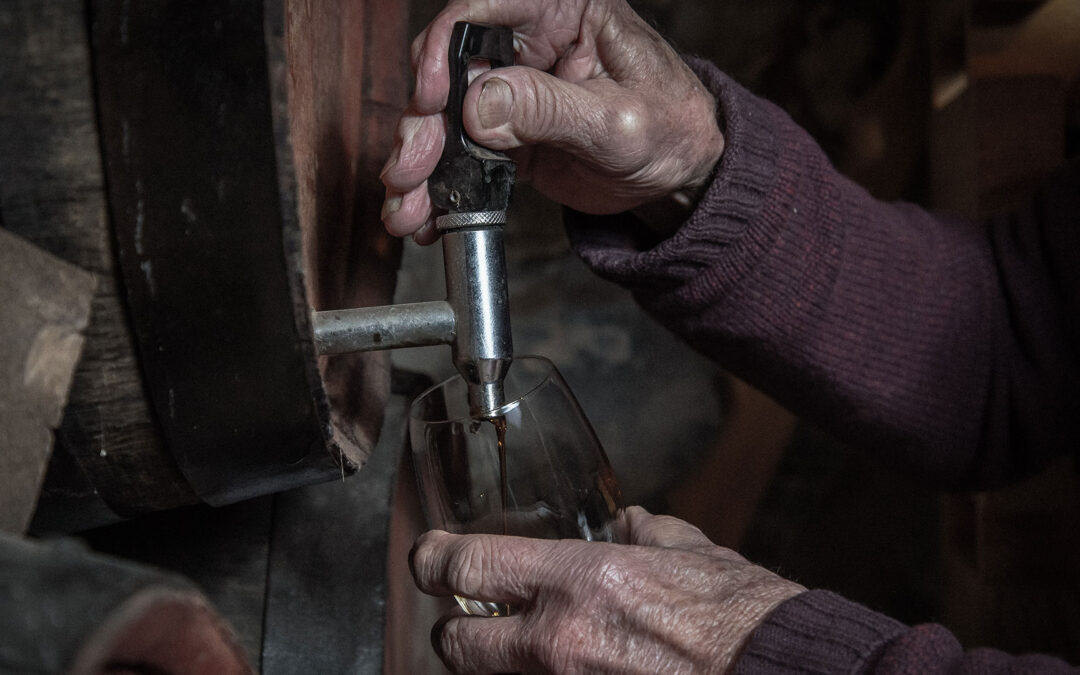
Filling fortified wine straight from the barrel at Liebichwein, Barossa Valley
Fortified wines have a long history in the Barossa Valley which is one of the most historic wine producing regions in Australia. Here at Liebichwein we certainly have a soft spot for fortified styles and love the fact that so many customers have home barrels for that extra touch of luxury at home. We pride ourselves on our extensive range of bulk fortified wines suitable for drinking now or further ageing in your own barrel. There are very few Barossa Valley wineries that offer the range we do for fortified wine lovers to taste, buy or refill containers of fortified wines.
There are six fortified wine styles sold by the litre for customers to taste and choose from. Many fortified wine lovers return with their own container and we sell reusable plastic containers (2, 5, 10, 20 litre). The wine you choose will ultimately depend on your taste preference and whether it is used to season a new keg, as a base wine or for topping up a barrel.
Winemaking
Ron Liebich continually makes large batches of bulk blends to keep up with demand by masterfully blending fresher vintage fortified wines with old museum stocks stored in the depths of the barrel shed. All fortified wines are produced from estate grown grapes left to fully ripen naturally in the vineyard. Ron loves the flavours of different grapes growing on the Liebich property so he makes his blends using four different varieties to produce flavour profiles ranging from aromatic, floral and sweet to spicy and nutty. Grenache, Semillon, Muscat, and Red Frontignac are all perfectly suited to fortified wine styles.
Bulk Fortified Wines
- Ruby Grenache – youthful unwooded Tawny is a light fruity style that is recommended to freshen up old syrupy or over-oaked barrel blends. It’s also pretty tasty on its own, a bit like concentrated berry cordial for adults.
- Ron’s Blend – smooth youthful Tawny style 2-3 years old, ideal for topping up barrels or freshening over-oaked or excessively aged barrel ports.
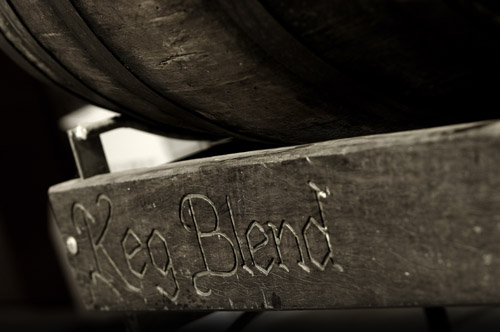
- Barrel Blend – rich semi-aged tawny with a balance of fruit and hints of woody notes (2/3 Ron’s + 1/3 Ben’s Blend). Only available at cellar door.
- Ben’s Blend – mature style aged 5 years with woody notes and spiced dried fruit. Ideal for adding to a newly seasoned barrel or adding complexity to a youthful base blend where more developed characters are preferred.
- Semillon – luscious white fortified with raisin and toffee flavours. Light youthful style for drinking now or adding to a barrel blend for sweetness and depth.
- Muscat – luscious white fortified with floral and citrus flavours. Light youthful style for drinking now or adding to a barrel blend for sweetness and depth (Muscat Gordo grapes)
- Frontignac – luscious fruity wine with aromatic, tropical and musk flavours to add sweetness and depth to a barrel (Red Frontignac grapes).
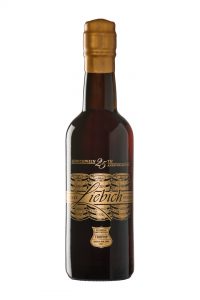
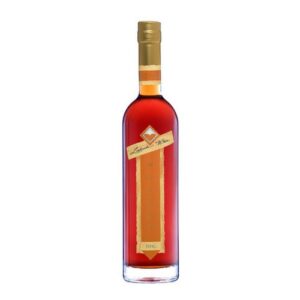
We invite you to visit cellar door to taste these wines in addition to a wide range of premium bottled fortified wines ranging in age from one to thirty years old. You can sit down and enjoy a fortified tasting experience to compare flavours, impact of barrel ageing and even taste rare museum fortifieds straight from the barrel. These unctuous, syrupy wines are certainly memorable and a sweet treat indeed!
Aug 5, 2019 | Cellar Door, Fortified Wine, Home Barrel Advice, News and Views, Personalised Tastings, Wines
FAQ’s Home Barrel Seasoning, Blending & Ageing
What is Tawny style Port wine?
Tawny style wine actually starts out like a Ruby or unwooded fortified, but then spends an extended period in oak barrels to soften and round out its character. As wooden staves allow oxygen to enter, this allows some of the wine to evaporate which concentrates flavours in the remaining wine. The slight gap of air at the top of the barrel increases the surface area exposed so the wine is basically slowly oxidising inside the barrel. The wine deepens in colour changing slowly from red-purple eventually to a dark amber or reddish-brown. The longer time in wood, the more complex the wine flavour profile and the smoother the wine becomes.
What do I fill a new barrel with?
Firstly, you need to know if the new keg is made from older red wine barrels or old fortified wood. Both keg types need initial warm to hot water treatment to lessen wood tannin impact on the new wine. The red wine oak barrel should have younger wine such as Ruby Grenache or Ron’s Blend to start with to help soak up the greater wood tannins, known as ‘seasoning’. An oak barrel previously used for fortified wine is best started with Ron’s Blend,as the barrel usually retains some wood tannins which will complement the fruit-foward wine.If wine remains a little woody, keep topping up with youthful Tawny, until the wine seems balanced with fruit and wood characters.
How often should I top up my barrel?
Top barrel according to usage; for infrequent use, it’s best to top with younger wine and if wine is poured frequently, a more mature Tawny such as Keg Blend is recommended. The barrel should not be emptied below 1/3 total volume. ?Note that a new barrel will absorb quite a bit of wine in the beginning.
How often should I taste my barrel wine?
Taste often, especially when using a new barrel as oak flavour can build up quickly in a wine. This will of course vary according to barrel size and cellar conditions (temperature and humidity) and whether the barrel wood was used for red wine or fortified wine. A smaller barrel will need more frequent tasting than a large barrel.
What is the typical lifespan of a barrel?
Well it depends on the purpose of the barrel. If you are looking to impart both flavours from the wood and structure in the form of tannins, a new oak barrel will continue to enhance wine for 4-5 years. After this the barrel becomes neutral and its main purpose becomes a storage vessel. The wine quality can still develop and improve as flavours will concentrate due to evaporation of some water content of the wine and also through exposure to oxygen. Generally, any barrel can last a lifetime and even generations if it never runs dry of good quality wine and is kept away from extreme heat, high humidity and sunlight.
How do I restore an old barrel?
A barrel that has been dry for some time and is loose is best taken to a Cooper to “knock up”, otherwise a handy person can use a hammer and blunt metal object to tighten the rings Then do a water treatment. A?second hand barrel with unknown history, it is wise to empty the barrel and start over again. Rinse out the barrel with hot water (1/10 volume of the barrel) at least twice so the top and bottom interior surfaces are covered and soaked for at least 30 minutes. Then fill with cold water and allow swelling for up to 3 days to check for any slow leaks. If barrel still leaks after 3 days then drain and refill. If any off-odours are present (e.g. vinegar, medicinal) the barrel can be rejuvenated by fermenting sugar and water in it, followed by a hot water rinse before filling with fortified wine. Check with a cooper or keg supplier if in doubt.
I’m moving house. How do I transport my barrel?
A barrel that will be empty for more than a few days needs some preparation to be stored correctly. Empty the wine into well-sealed containers (glass or plastic is fine). A little wine can remain in the bottom to keep the barrel from drying out. Wine barrels can be left empty for a week or so, even in warm temperatures, before drying out completely. To transport, the bung should be securely taped on.
How do I store an empty barrel for long periods?
Empty the wine into well-sealed containers (glass or plastic is fine). Rinse the barrel with hot water then drain it, and allow it to dry completely. To prevent any contamination, a dose of sulfur dioxide (SO2) is needed to protect the barrel. Firstly fill the barrel 2/3 with cold water. A storage solution can be made by adding 1 gram of citric acid and 2 grams of SO2 for very litre of barrel volume. Mix this solution in a separate container with a small quantity of hot water so that everything becomes completely dissolved into the liquid. Add the solution to the barrel, roll the barrel to mix, and top it up the rest of the way and insert the bung. You will need to top up the barrel with more of the holding solution every 4 – 6 weeks, but the barrel can be stored like this indefinitely.
An important safety consideration is that SO2 is fairly safe to handle but you should wear gloves and work in a well-ventilated area to avoid breathing its fumes when handling it. Note that SO2 can be purchased from any brew shop as Sodium or Potassium Metabisulphite.
My wine has a medicinal off-flavour. How can I fix it?
Commonly medicinal flavour can occur as a combination of wood character and fruit flavours from the wine. It can be blended out by keeping the barrel topped with younger fault-free wine and having a little patience.
My wine has a vinegar-like off-flavour. How can I fix it?
The wine is probably infected with acetobacter (vinegar bacteria) or wild yeasts. The vinegary off-flavours can be blended out by keeping the barrel topped with younger fault-free wine and having a little patience.
My wine has a mouldy/musty off-flavour. How can I fix it?
If a barrel or its contents has or develops a mouldy, mushroom-like taste or odour, then this is quite difficult to fix. It’s best to empty the barrel, sterilize and start again with fresh wine refill. A fermentation of sugar water is a good solution to rejuvenate a barrel with off-flavours.
My wine is thick and syrupy. How can I make it more drinkable?
If wine is thick, viscous and syrupy it is a sign of old age. It will need topping up with fresh young wine such as Ruby Grenache or Ron’s Blend to dilute aged oak flavours. There is no need to wait as adding younger wine will make it more drinkable straight away.
What does turn barrel mean?
This is done when treating a new barrel to season it. By using a few litres of wine you can season more surface area of the barrel. Every few days, turn the barrel a little on its cradle. This can be done over a period of two weeks. Check how the port tastes before deciding to empty the initial wine or keeping it with some woody flavours and topping up with fresh wine. Now for a little patience before having a nip.
Can you blend sweet/dry sherry in a port keg?
Yes, you would add dry sherry to make a drier wine blend. By adding a sweet sherry style (Apera), Semillon,Frontignac or Muscat you would end up with a sweeter blend. Blend according to your preferred taste.
Can you blend fortified wines of different ages in a port keg?
Yes, in fact we recommend it to build complexity of the wine. To help give a keg a dramatic lead on the road to complexity we sell very old wines we call ‘rancio’ premium aged fortifieds. Sold in 100mL wax-sealed bottles in four different varieties; Muscat, Frontignac, Semillon and Tawny (Grenache).
To order bulk or rare old fortified wines, head to our wine shop.
Sep 27, 2018 | Barossa Valley, Cellar Door, Competitions, Fortified Wine, News and Views, Red Wine, Reviews and Awards, Sparkling, Wines
 We’re absolutely thrilled with results from the Barossa Wine Show 2018. Ron has outdone himself picking up a Trophy for Museum Fortified for the second year in a row. Rare Tawny was crowned Best Museum Red Fortified. Last year saw Rare Semillon get a similar honour in the Best Museum White Fortified Class.
All entries from around the Barossa region were such high calibre, we’re proud to be among the same company. Congratulations to all other medal and trophy winners.
Other Liebichwein medal winners:
- Rare Frontignac = SILVER (yet to be released)
- 2018 Vintage Fortified Petit Verdot (baby VP – yet to be released) = BRONZE
- Classic Muscat = BRONZE
- Lovely Sparkling Pinot Noir NV = BRONZE
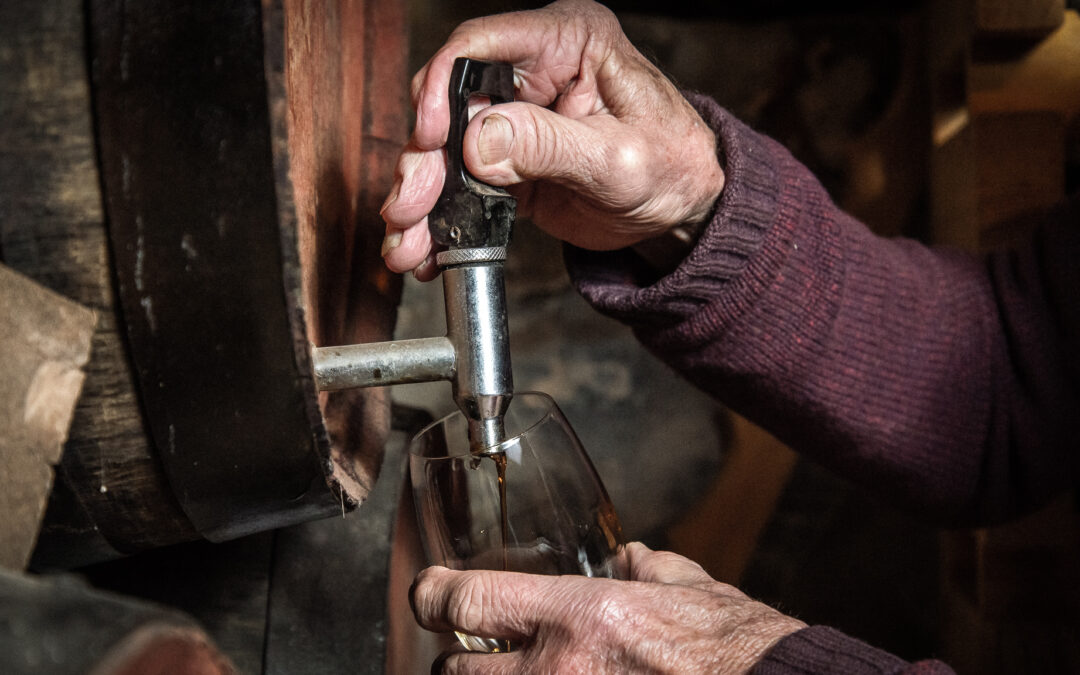
Feb 18, 2016 | Barossa Valley, Cellar Door, Fortified Wine, Home Barrel Advice, Personalised Tastings
Your personal blend of fortified can be a luxurious addition to any home. With a little time and attention, you can meld your special ingredients into a complex mixture that you can sip with satisfaction.
This article follows on from Barrel Care Part 1: How to Start a Fortified Keg and answers common questions we get asked about how to maintain a quality fortified blend throughout the barrel’s life.
What do I fill my barrel with?
Wines that mature in wooden barrels experience what is known as “oxidative” aging. They tend to lose colour quite quickly. They also lose volume to evaporation (commonly called the angel’s share), leaving behind a wine that is slightly more viscous. The base wine you choose will depend on your taste preference. Fortified wines made from different grape varieties produce different flavour profiles ranging from aromatic, floral and sweet to spicy and nutty.
There are three types of fortified available that suit barrel ageing; ruby, tawny, and white styles and they all have unique features, colours and flavours.
Ruby
Ruby is brightly coloured red, light brown or purple and is a youthful style, ideal for freshening up over-oaked or excessively aged barrel wine. It can be a recent vintage or a blend of 2-3 vintages. Different grape varieties will yield different flavour profiles.
Grenache – red berry fruits, sweet spice, confection
Mataro (Mouvedre) – blackcurrant, perfumed, aniseed
Tawny
 Made from red grapes and aged in wooden barrels to give gradual exposure to air and evaporation. Wood exposure imparts mellow golden-brown colours, raisin and “nutty” flavours. Liebichwein offer two popular tawny blends ready to enjoy now or further age in your own barrel. Tawny’s can be blended with other vintages and are ready to drink immediately and remain stable after opening.
Ron’s Blend – average 3 years old, youthful & smooth
Ben’s Blend – more wood age up to 5 years, rich & ripe
White Port
Tawny-style but made from white grapes offer a softer and sweeter finish. This is the wine style that got Ron hooked on fortified winemaking in the 60’s!
Muscat – orange, musk, floral
Frontignac – tropical, musk, honey
Semillon – dates, toffee, nutty, honey
Where do I buy bulk fortified for my keg?
Liebichwein of course! We have built up a strong reputation for selling bulk fortifieds over the last 20 years. Ron is a master fortified blender which is a dying art in the wine trade. We grows grapes especially for fortified production so we let them ripen slowly and make sure they are the last ones picked during vintage when the Baume has reached at least 15?Baume. A hot Aussie summer really suits fortified winemaking. Each year we make a fresh vintage of different varieties which are eventually blended with small amounts of our old family stocks dating far back into the 1920’s.
Youthful Tawny made from Grenache is the base for Ruby (little or no oak), Ron’s and Ben’s blend. We also stock Muscat, Frontignac and Semillon as individual varietal wines. We find that an approximate age of 3-5 years makes a suitable starter for a home barrel.
We sell all bulk fortifieds in inert plastic containers in sizes 2L, 5L, 10L and 20L. They cost a few extra dollars and are reusable and recyclable. Customers are welcome to bring their own cleaned containers into cellar door. In the early days of selling in bulk we would get requests to fill all kinds of containers and drink bottles!
Can I keep fortified in plastic containers?
Once you have filled or topped up your keg and you still have left over, there is no drama in leaving the excess in the plastic container until you need it. As the wines are already fortified and semi-oxidised they do not pick up any taints or off-flavours. Just store the container out of direct sunlight and below 30?C.
How do I maintain my barrel?
Remember from Part 1 that wine develops more rapidly in smaller barrels so the first fill should be for a short time (1-4 weeks). Keep in mind that the oak source also has an effect on flavour and will be a lot stronger in a new barrel. You can taste test your personal blend weekly at first, making adjustments to the addition to help achieve desired result. If you notice strong oaky flavours, you can bottle off half of the keg and top it up with young wine (unoaked or lightly oaked is preferable as the barrel does the work). Experimenting with different batches and refilling at different times allows you to blend wine to your liking.
KEY TIPS
- Keep your barrel topped up when 1/3 full
- Be patient – it may take a couple of months before the desired taste is achieved
What about adding a mix of wines or spirits?
Our personal view is never to mix fortified and spirit such as cognac or brandy in a barrel. A good base fortified already contain spirit, either brandy or neutral grape spirit and anything stronger than these is very difficult to blend out if you change your mind.We believe that the only things to add, if you wish to blend and tinker, are oak and age. Complexity is added by ageing slowly in oak and adding old and fresh wine.
How much aged wine can be added?
Adding quality aged fortified is a practice that we highly recommend, but the question of how much and when depends greatly on what your blend is like and the barrel type. It’s
not wise to go overboard with aged material, particularly when the barrel port is young (i.e. the initial fill of the barrel). Before adding anything at all, play with blending small amounts in your bar/shed/kitchen (20-30mL in 9L is usually plenty). As the barrel port gets
a few years on it, it can then take a greater amount of aged material.
To help give a new keg a dramatic head start on the road to complexity, Liebichwein is able to offer small quantities of very old blending stock. We call them ?rancio? premium aged fortifieds and we bottle them off in 100mL wax-sealed bottles in four different varieties; Muscat, Frontignac, Semillon and Tawny (Grenache). It’s difficult to control the urge to drink such aged and complex wines, but you will be rewarded by throwing it into your personal blend.
Have more questions? Ron is happy to offer advice. Please contact us for a qualified assessment of your personal blend.